Jellyfish Stings
Want to watch this video? Sign up for the course
or click below to watch one free video.
Unlock This Video Now for FREE
This video is normally available to paying customers. Click below for instant access.
Jellyfish Stings: Types and First-Aid Treatments
Overview
Jellyfish stings are common in coastal areas and can cause varying degrees of pain and discomfort. Immediate first-aid treatment is crucial to alleviate symptoms.
Types of Jellyfish and Their Treatments
Box Jellyfish
Description: Among the most venomous jellyfish globally, causing severe pain and potential life-threatening conditions.
First-Aid Treatment:
- Remove tentacles using tweezers or a similar tool.
- Immerse affected area in hot water (as hot as tolerable) for 20 to 45 minutes to neutralise venom.
- Seek immediate medical attention.
Portuguese Man-of-War
Description: Features long, tentacle-like stinging arms causing intense pain and swelling.
First-Aid Treatment:
- Remove tentacles using tweezers or a similar tool.
- Rinse affected area with sea water (not fresh water).
- Apply vinegar to neutralise venom.
- Avoid rubbing the area.
- Apply cold pack or immerse in cold water to reduce pain and swelling.
- Seek medical attention if needed.
Moon Jellyfish
Description: Has short, delicate tentacles causing mild to moderate stings.
First-Aid Treatment:
- Remove tentacles using tweezers or a similar tool.
- Rinse affected area with sea water (not fresh water).
- Apply vinegar to neutralise venom.
- Avoid rubbing the area.
- Apply cold pack or immerse in cold water to reduce pain and swelling.
- Seek medical attention if symptoms are severe or persist.
Sea Nettles
Description: Jellyfish with long stinging tentacles causing pain, redness, and swelling.
First-Aid Treatment:
- Remove tentacles using tweezers or a similar tool.
- Rinse affected area with sea water (not fresh water).
- Apply vinegar to neutralise venom.
- Avoid rubbing the area.
- Apply cold pack or immerse in cold water to reduce pain and swelling.
- Seek medical attention if symptoms are severe or persist.
Recommended Products For You
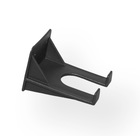
First Aid Box Wall Bracket (Single)
£0.35 + VAT
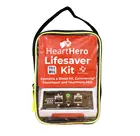
HeartHero Lifesaver Kit
£685.00 + VAT

iPAD SPR Semi Automatic Defibrillator
£925.00 + VAT

Lifesaver Kit with Tourni-Key - Green
£85.00 + VAT

Lifesaver Kit with Tourniquet - Black
£99.00 + VAT
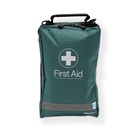
First Aid Kit In Green Pouch
£11.99 + VAT
_-Trauma_20x30_CE.jpg)
WoundClot Trauma 20cm x 30cm
£37.95 + VAT

Cyclist Trauma / Emergency Kit
£55.00 + VAT