This site is powered by the ProTrainings platform. All content is © 2025, ProTrainings Europe Ltd. All rights reserved.


Pro Trainings is rated 4.6 out of 5 based on 70450 ratings.
This site is powered by the ProTrainings platform. All content is © 2025, ProTrainings Europe Ltd. All rights reserved.
Pro Trainings is rated 4.6 out of 5 based on 70450 ratings.

Cardiac arrest can happen anywhere — at home, at work, in public, or during everyday activities. When it does, every second counts. Early CPR is one of the most powerful life-saving actions a bystander can take, and the sooner it begins, the higher the chance of survival.
In this post, we’ll break down why early CPR matters, how the Chain of Survival works, and why refresher training is essential for staying confident and effective.
Cardiac arrest happens when the heart suddenly stops pumping blood around the body. Without immediate help, the brain and vital organs become starved of oxygen within seconds. Survival depends heavily on fast, effective action — and that’s where bystander CPR becomes vital.
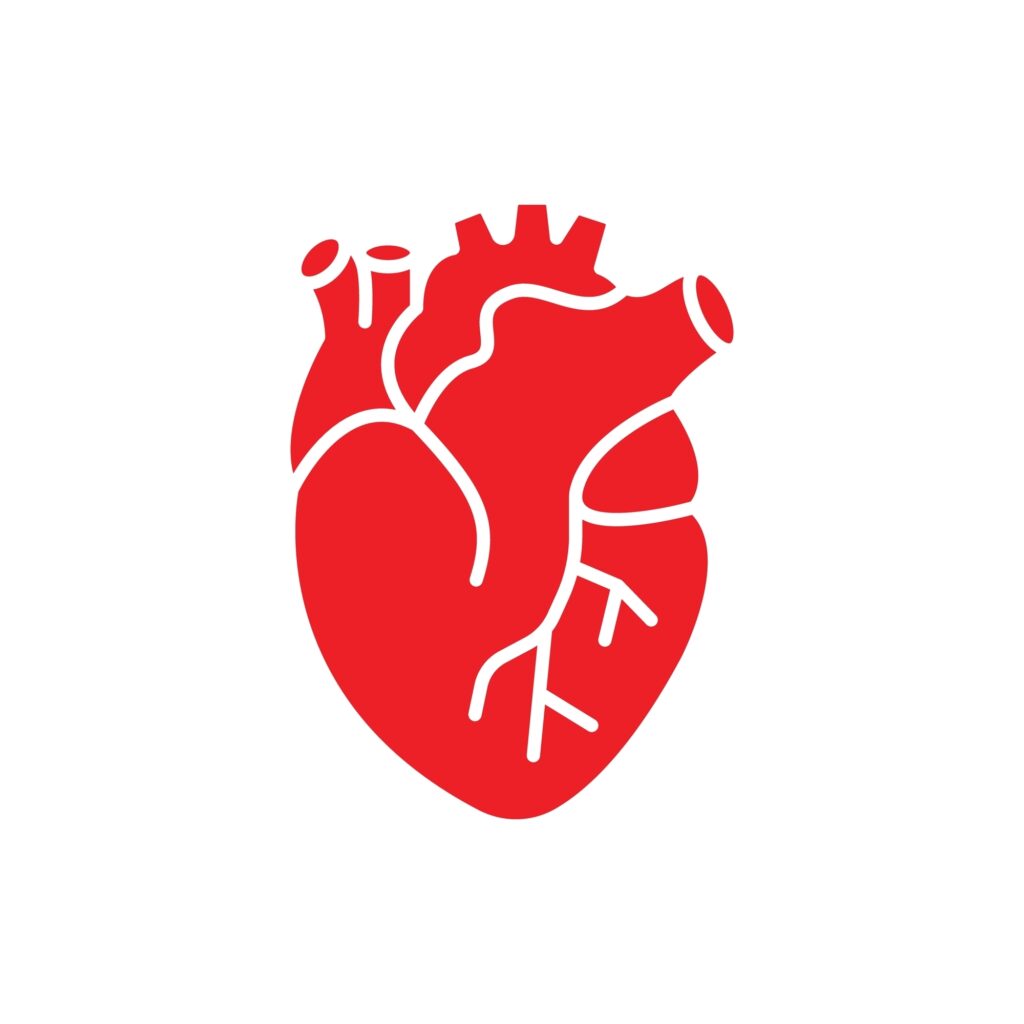
Unlike a heart attack (a circulation problem), cardiac arrest is an electrical malfunction. It is sudden, silent, and life-threatening.
The statistics are clear:
For every minute without CPR, a person’s chance of survival drops by around 10%.
Starting chest compressions quickly helps keep oxygen flowing to the brain and other vital organs until a defibrillator (AED) can be used. Early CPR can double or even triple survival rates, especially when combined with rapid defibrillation.
In many emergencies, ambulance crews cannot arrive immediately. This makes bystander CPR the crucial first step that bridges the gap.
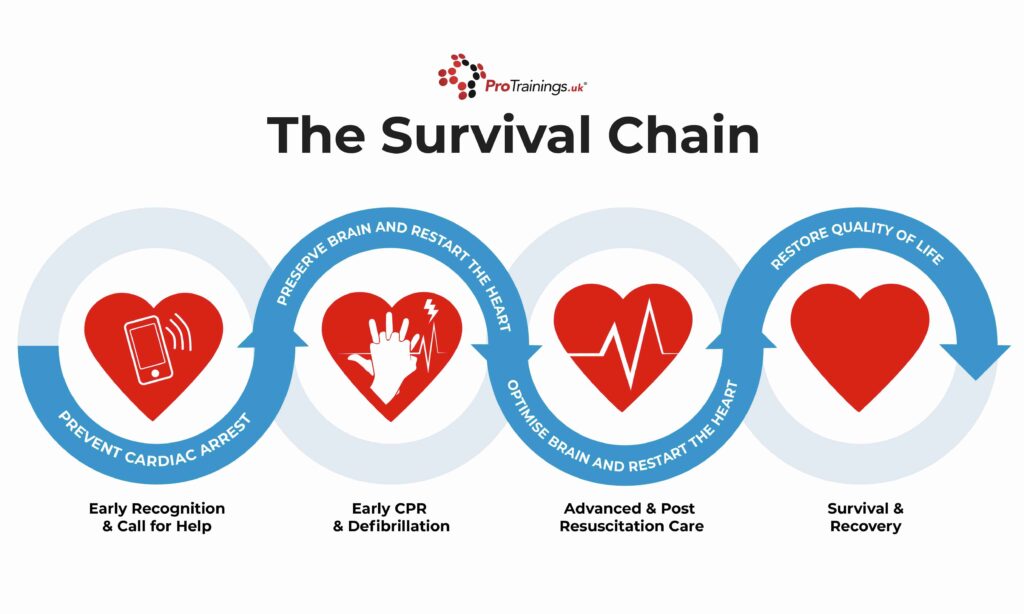
The Resuscitation Council UK emphasises a structured approach known as the Chain of Survival. Each link plays an essential role in improving outcomes for cardiac arrest:
Recognising cardiac arrest quickly and calling 999 ensures professional help is on the way. Modern call handlers are trained to coach you through CPR if needed.
Immediate chest compressions keep blood flowing and delay brain damage. Even basic CPR can make a significant difference.
Public access defibrillators (PADs) are increasingly available across the UK. These devices are designed to be simple and safe, guiding you step-by-step.
Once paramedics arrive, they provide advanced life support, defibrillation, medication, and stabilisation.
Hospitals provide targeted treatment, temperature control, oxygen management, and neurological support to improve recovery.
Strong outcomes rely on every link being strong — and it often begins with you.
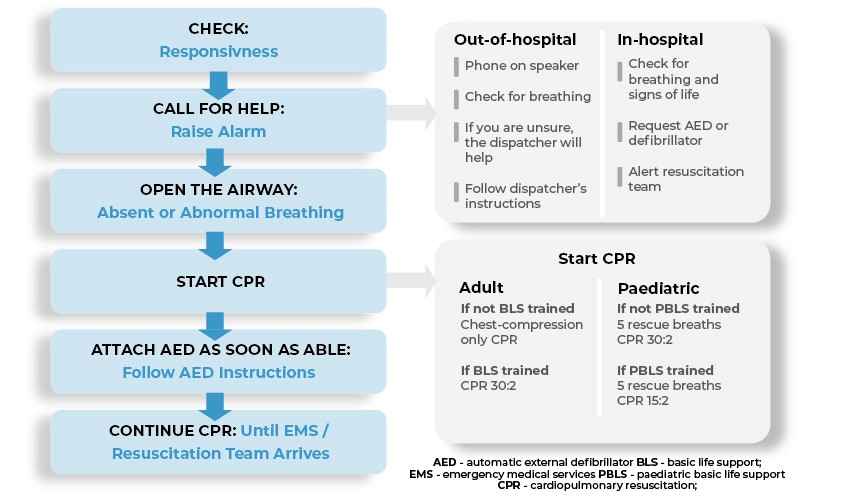
Many people worry about “doing it wrong”, but the real danger is doing nothing. High-quality CPR doesn’t require medical training — just confidence and action.
Remember:
Taking a course — or even refreshing your skills online — builds confidence so that, in an emergency, you can act without hesitation.
Skills fade over time, especially CPR. Even if you trained a year or two ago, you may not remember the finer points under pressure. That’s why refresher training is recommended at least every 12 months.
Refresher courses help you:
You can explore all ProTrainings CPR and first aid courses here:
👉 www.protrainings.uk/courses
Having the right first aid equipment nearby can make a significant difference in emergencies. From first aid kits and CPR face shields to AED training units, being prepared ensures you can respond safely and effectively.
Browse the full range in the ProTrainings store:
👉 www.protrainings.uk/store
Early CPR saves lives — it’s as simple as that. Whether you’re a first aider, a parent, a colleague, or simply a bystander, your actions in the first few minutes can make all the difference.
With the right training, refreshed knowledge, and the confidence to act, anyone can become a life-saver.
If you’d like, I can also turn this into a social media post or create a matching infographic.