This site is powered by the ProTrainings platform. All content is © 2025, ProTrainings Europe Ltd. All rights reserved.


Pro Trainings is rated 4.6 out of 5 based on 70450 ratings.
This site is powered by the ProTrainings platform. All content is © 2025, ProTrainings Europe Ltd. All rights reserved.
Pro Trainings is rated 4.6 out of 5 based on 70450 ratings.

A Room-by-Room First Aid Risk Audit
Our homes are meant to be safe havens, yet even the most carefully maintained houses have hidden hazards that can lead to accidents. Understanding these risks is the first step to prevention—and knowing how to respond is equally important. In this guide, we’ll take you on a room-by-room audit of common dangers in the average UK home and provide practical tips to minimise them.
The kitchen may be where families gather, but it’s also where most domestic injuries occur. Common risks include:
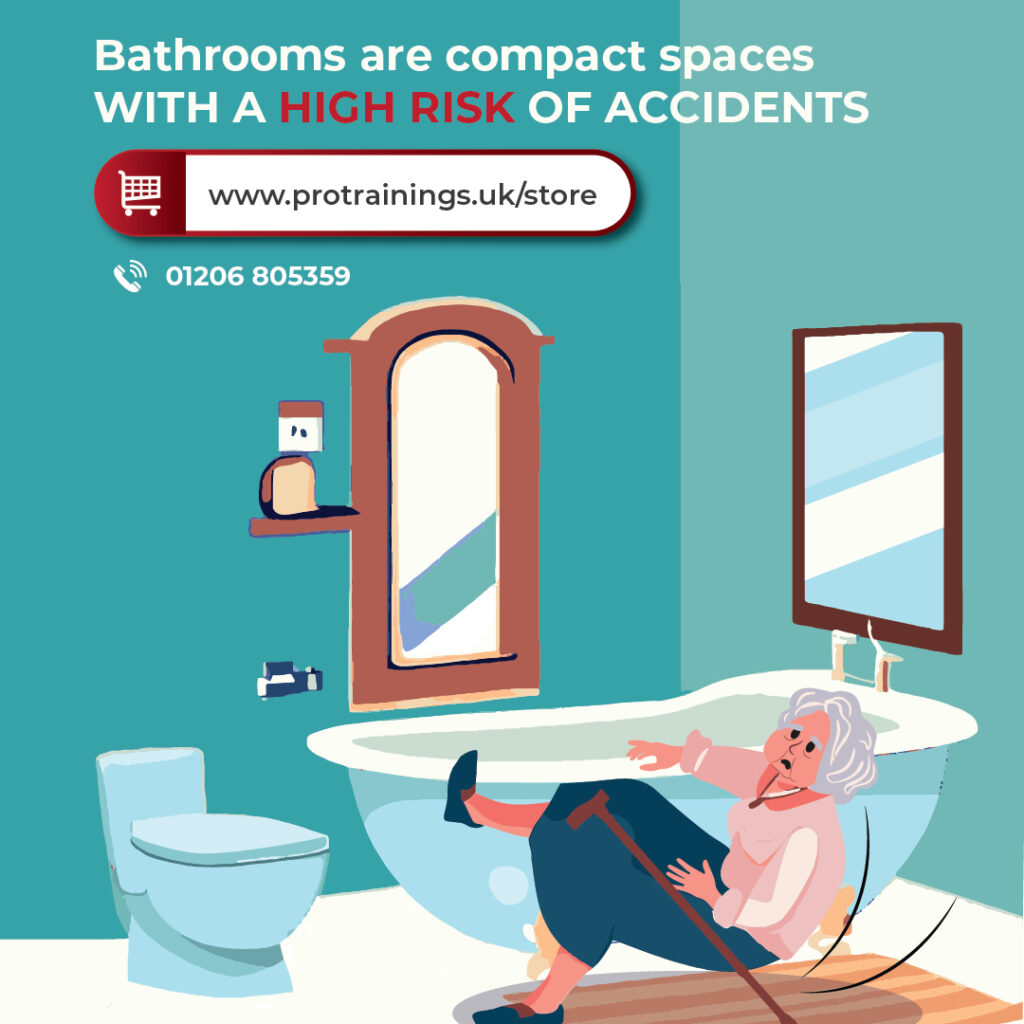
Bathrooms are compact spaces with a high risk of accidents:
The living room often hides subtle dangers:
Bedrooms may seem safe, but injuries can happen here too:
Falls on stairs or in hallways can lead to serious injury:
Even outside, accidents are common:
Accidents can happen anywhere, but knowing how to respond saves lives. Our first aid courses teach practical, hands-on skills to handle burns, cuts, falls, and more. Whether it’s for the home, workplace, or caring for children or pets, our training ensures you are confident and prepared. Explore our full range of courses at ProTrainings UK.
Having the right equipment at home is just as important as training. Consider stocking:
All of these and more are available at our ProTrainings First Aid Store.
Conclusion: A little awareness and preparation go a long way in preventing accidents in the home. Conduct your own room-by-room risk audit, equip your home with first aid essentials, and consider taking a course to gain confidence in responding to emergencies. Safety starts at home—make yours a safe haven today.