First Aid for Children and Babies: Understanding the Differences and Common Emergencies
First aid isn’t one-size-fits-all. Babies and children are physiologically different from adults, and their bodies respond differently in an emergency. Understanding these differences is essential for providing safe, effective first aid and acting quickly when it matters most.
Why First Aid for Children and Babies is Different
Babies and children have smaller airways, faster heart rates, and unique developmental needs. Because of this:
Symptoms of illness or injury can present differently to adults.
They can deteriorate more quickly if not treated promptly.
First aid techniques often need to be adapted in terms of size, pressure, and approach.
Being aware of these differences helps first aiders provide the correct care and avoid accidental harm.
Common Emergencies by Age Group
Infants (0–12 months)
Choking: Babies explore the world by putting objects in their mouths. Learn infant choking relief, including back blows and chest thrusts.
Fevers: Babies can develop high temperatures quickly. Seek medical advice if a baby under three months has a temperature of 38°C or higher.
Falls & Head Injuries: Even minor falls can be serious. Watch for vomiting, drowsiness, or unusual behaviour.
Toddlers and Young Children (1–5 years)
Cuts and Grazes: Active little ones often pick up scrapes and cuts. Clean wounds and apply appropriate dressings.
Burns & Scalds: Hot drinks and kitchen accidents are common. Cool the area under running water for at least 20 minutes.
Choking & Breathing Difficulties: Small toys and food pieces can block airways. Know the correct first aid techniques for this age group.
Primary-Age Children (6–12 years)
Sports Injuries: Sprains, strains, and bruises are common. Know the RICE method (Rest, Ice, Compression, Elevation) and when to seek medical attention.
Asthma & Allergic Reactions: Children may have asthma attacks or severe allergic reactions. Be familiar with inhalers and EpiPen use.
Serious Illness: Persistent vomiting, high temperatures, or lethargy require prompt medical attention.
Teenagers (13–18 years)
Accidents & Trauma: Teens may be more prone to serious injuries from sports, cycling, or outdoor activities.
Mental Health Concerns: Stress, anxiety, and self-harm risks can emerge. Recognising early warning signs and supporting them appropriately is important.
Key Differences in First Aid Techniques
CPR: Infant CPR differs from child CPR in compression depth, hand placement, and breath ratio.
Choking Relief: Babies require gentle back blows and chest thrusts; older children may require abdominal thrusts.
Medication and Dosage: Never give adult medication unless specifically advised. Age-appropriate dosing is essential.
Safety Tips for Parents and Carers
Keep a first aid kit accessible and suitable for children.
Learn age-specific first aid techniques through accredited training courses.
Stay calm and reassuring — children respond to your tone and confidence.
Call 999 if in doubt, or if the child shows signs of severe distress, difficulty breathing, or loss of consciousness.
Paediatric First Aid Courses by ProTrainings
At ProTrainings, we offer comprehensive paediatric first aid training tailored to those caring for children and infants. Our courses are designed to equip you with the essential skills and knowledge to respond effectively in emergencies.
Course Options:
TQUK Level 3 Award in Paediatric First Aid (RQF): A regulated qualification covering a wide range of scenarios, from CPR to handling minor injuries and medical emergencies. This course meets the requirements set by Ofsted and the Early Years Foundation Stage (EYFS), making it ideal for those working in childcare settings.
Paediatric 12-Hour First Aid Level 3 (VTQ): A comprehensive course that covers life-saving skills and emergency response techniques. This qualification is recognised by Ofsted and is suitable for childminders, nannies, and other childcare professionals.
Paediatric First Aid for Nannies and Au Pairs: Tailored training for those responsible for the care of young children, covering vital topics such as CPR, choking, and managing minor injuries. Fully compliant with Ofsted and EYFS guidelines.
Flexible Learning Options:
Blended Learning: Start with online modules at your own pace, followed by a practical classroom session with one of our accredited instructors. This flexible approach saves you time while ensuring you gain the necessary skills.
Classroom Training: Participate in face-to-face sessions led by experienced instructors, providing hands-on practice and real-life scenarios to build your confidence.
Upon successful completion of our courses, you’ll receive a recognised certificate, affirming your ability to provide crucial care when it matters most.
To learn more about our paediatric first aid courses and to find a training option that suits your needs, visit ProPaediatric.
Final Thoughts
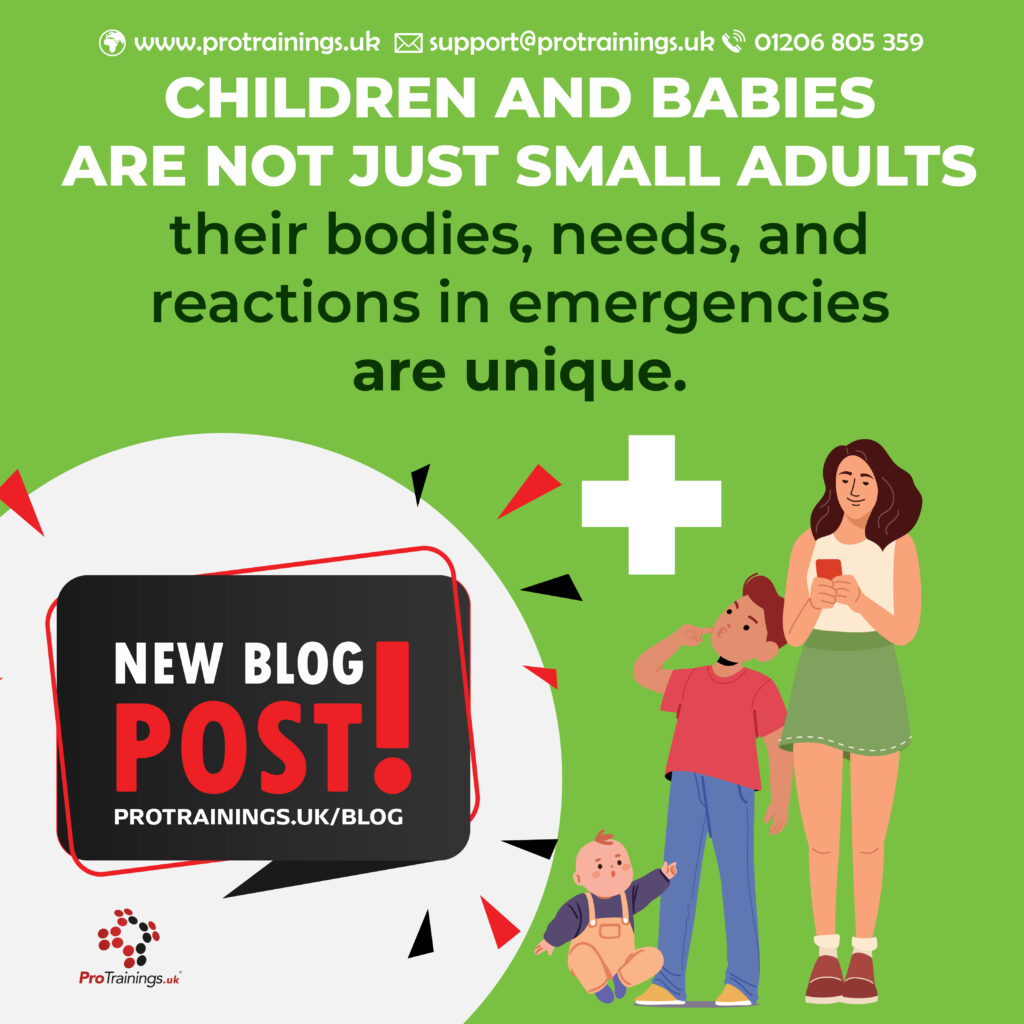
Children and babies are not just small adults — their bodies, needs, and reactions in emergencies are unique. Being prepared with the right knowledge and skills can save lives and reduce the severity of injuries.
Investing in paediatric first aid training ensures that, whether at home, school, or elsewhere, you can respond effectively and confidently when a child needs help.