This site is powered by the ProTrainings platform. All content is © 2025, ProTrainings Europe Ltd. All rights reserved.


Pro Trainings is rated 4.6 out of 5 based on 70450 ratings.
This site is powered by the ProTrainings platform. All content is © 2025, ProTrainings Europe Ltd. All rights reserved.
Pro Trainings is rated 4.6 out of 5 based on 70450 ratings.

First Aid for Knife Incidents: Skills That Could Save a Life Knife crime remains a serious challenge across England and Wales. In the year ending March 2025, there were around 53,000 offences involving a sharp instrument.Although the number has shown a…
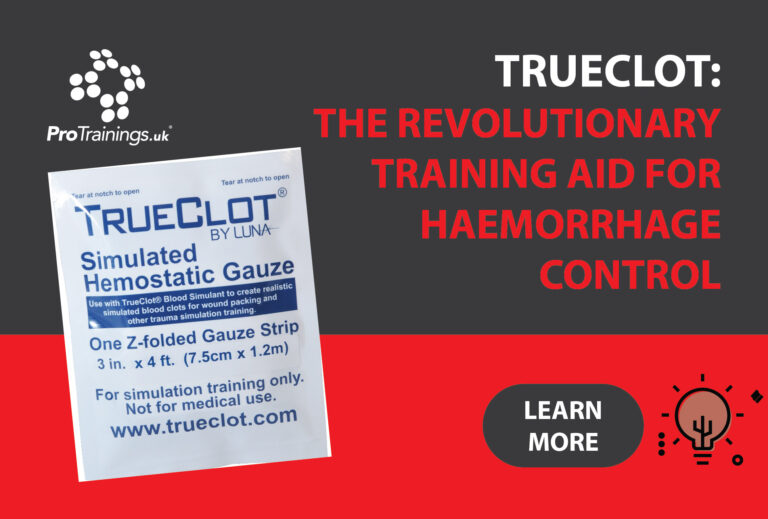
TruEnhance Your First Aid Training with TrueClot Wound Simulation Products When it comes to first aid training, realism is key. TrueClot wound simulation products offer lifelike injuries that allow trainees to practice essential skills safely and effectively. Whether you’re conducting…
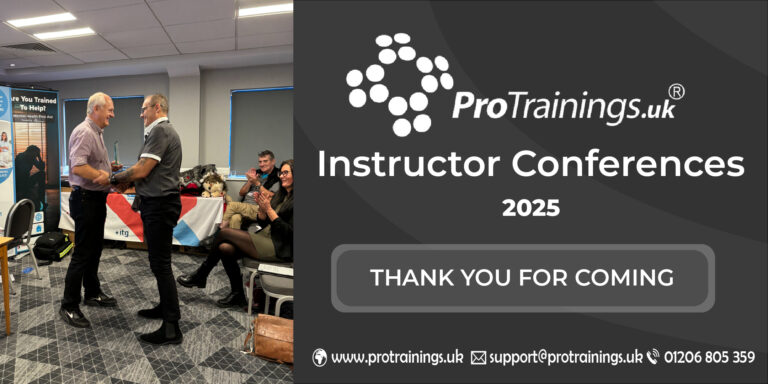
ProTrainings Instructor Conferences 2025: Highlights from Birmingham and Colchester This month, ProTrainings hosted two outstanding Instructor Conferences — one in Birmingham on 3rd October and another in Colchester today. A huge thank you to everyone who joined us and made…
Autumn Adventures: First Aid Skills for Fireworks and Bonfires Autumn in the UK is a magical time. The leaves turn golden, the evenings get cosy, and fireworks and bonfires light up the skies. But with Bonfire Night and Halloween celebrations…
Basic Life Support (BLS): A Guide to Saving Lives Basic Life Support (BLS) refers to the techniques used to keep someone alive in an emergency until professional medical help arrives. This includes providing Cardiopulmonary Resuscitation (CPR), rescue breaths, and chest…
How to Build a Custom First Aid Kit for Your Industry When it comes to workplace safety, one size does not fit all. Whether you run a construction site, a beauty salon, or a corporate office, having a custom first…
Are Your First Aiders Trained for Catastrophic Bleeds? First aid training traditionally focuses on everyday injuries like minor cuts, sprains, and burns. But what if the emergency is far more serious—like a catastrophic bleed? A catastrophic haemorrhage can lead to…
The Life-Saving Difference Between CPR and Defibrillation When someone suffers a sudden cardiac arrest (SCA), every second counts. In those critical early minutes, understanding the difference between CPR and defibrillation can mean the difference between life and death. Although they…
Why Every Workplace Needs a First Aid Needs Assessment Ensuring the safety and wellbeing of your staff is not just a moral responsibility—it’s a legal requirement. A first aid needs assessment is a vital step for any business to comply…
Workplace accidents happen every 7 seconds in the UK, costing billions annually. Proper first aid training can reduce injuries by 25% and even save lives. Here’s a quick overview of the 7 essential first aid skills every workplace needs: Assessing…