This site is powered by the ProTrainings platform. All content is © 2025, ProTrainings Europe Ltd. All rights reserved.


Pro Trainings is rated 4.6 out of 5 based on 70450 ratings.
This site is powered by the ProTrainings platform. All content is © 2025, ProTrainings Europe Ltd. All rights reserved.
Pro Trainings is rated 4.6 out of 5 based on 70450 ratings.

Christmas is a time for joy, celebration, and plenty of delicious food. But with all the festive treats being passed around, it’s also a time when choking incidents become more common — especially for young children and older adults.
In this guide, we’ll highlight the most common Christmas choking hazards, simple steps you can take to prevent accidents, and what to do if someone does start choking. Being prepared could make all the difference.
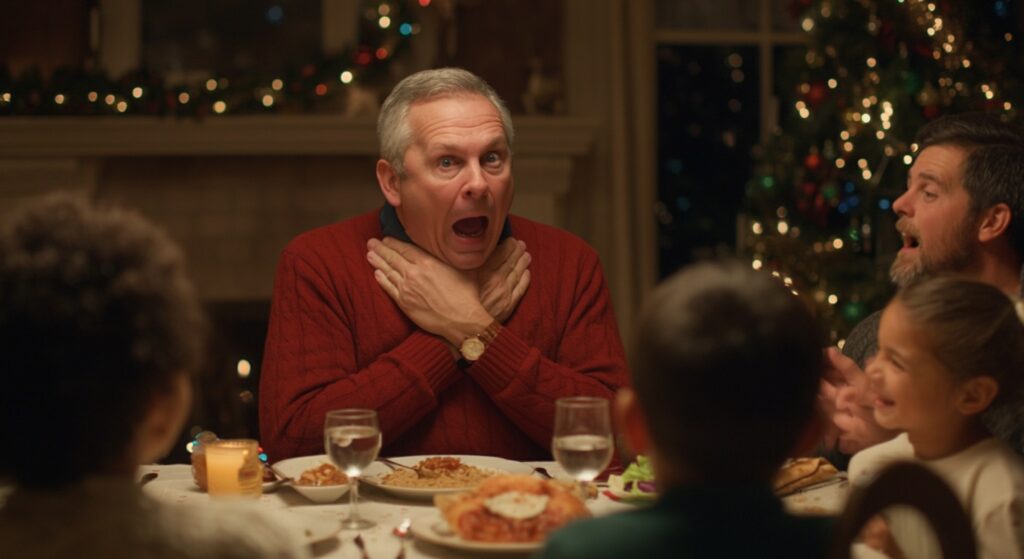
The festive season brings a variety of foods that pose a higher risk of choking. Here are the most frequent culprits:
From bowls of peanuts to mixed nuts on the table, these are one of the biggest choking risks — particularly for young children and anyone with difficulty chewing.
These smooth, round foods are the perfect size to block an airway. Always cut grapes lengthways into quarters for children.
Popular at Christmas, but extremely hazardous if inhaled accidentally.
Firm, chewy foods can become lodged if not chewed properly.
Carrot sticks, celery, and other crunchy veg can be particularly risky for little ones.
Soft but sticky — marshmallows can be surprisingly difficult to remove once stuck.
A few simple precautions can reduce risks significantly:
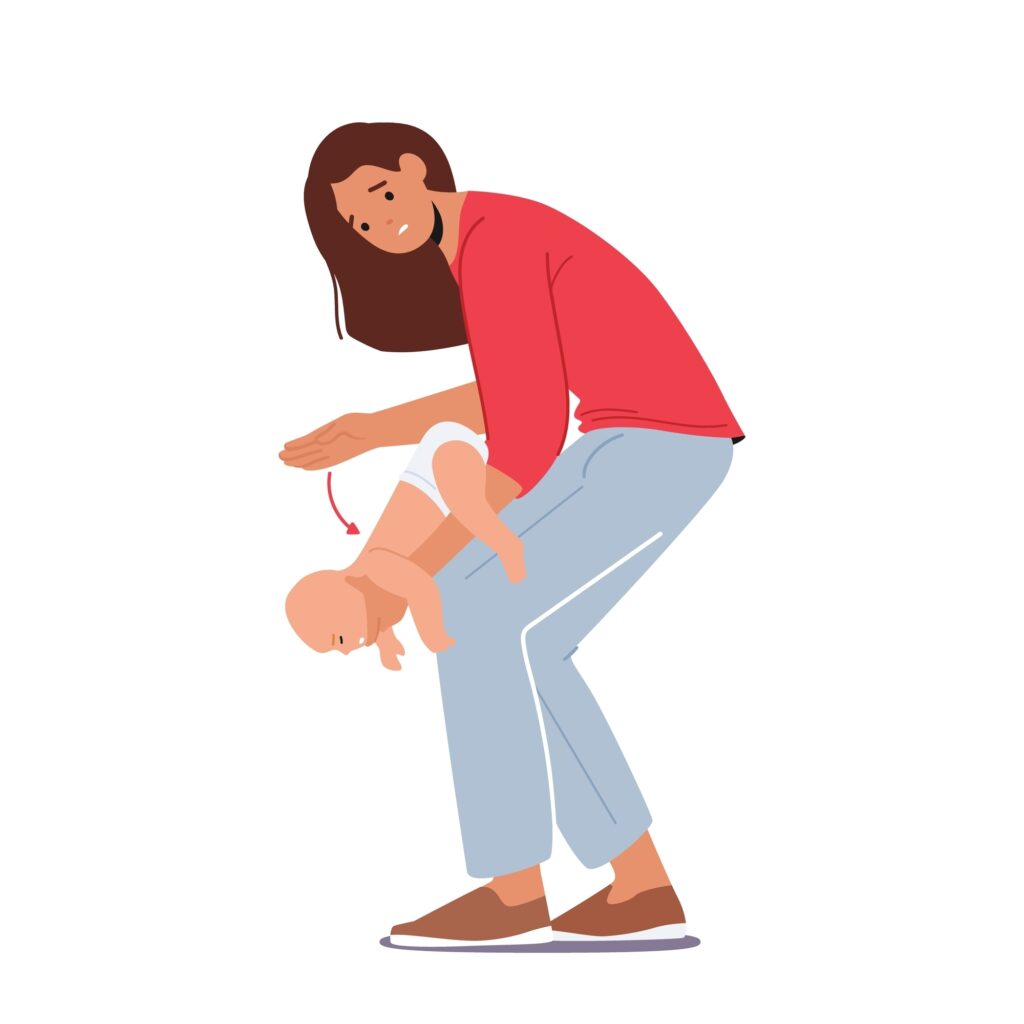
Knowing how to respond quickly and confidently is essential.
Take the following steps:
Practical training makes all the difference in an emergency.
ProTrainings offers a range of Paediatric and Adult First Aid courses, available online and face-to-face.
👉 Explore our first aid courses here:
www.protrainings.uk/courses
Whether you’re a parent, carer, teacher, or simply want peace of mind during the festive season, learning these essential skills is invaluable.
Having the correct equipment at home can help you respond quickly to choking, minor injuries, burns, and other common Christmas accidents.
🛒 Browse professional first aid equipment at:
www.protrainings.uk/store
www.first-aid-online.co.uk
Stock up on essential items such as:
Being prepared means you can act confidently when it matters most.
Christmas should be a time of fun and celebration — not emergency trips to A&E. With a few simple precautions and the right first aid knowledge, you can significantly reduce choking risks for both children and adults during the festive season.
If you’d like, I can also create a social media post to promote this blog or write more Christmas safety content for your readers.