This site is powered by the ProTrainings platform. All content is © 2025, ProTrainings Europe Ltd. All rights reserved.


Pro Trainings is rated 4.6 out of 5 based on 70450 ratings.
This site is powered by the ProTrainings platform. All content is © 2025, ProTrainings Europe Ltd. All rights reserved.
Pro Trainings is rated 4.6 out of 5 based on 70450 ratings.

The Resuscitation Council UK (RCUK) has released its 2025 Resuscitation Guidelines, introducing major updates based on the latest scientific evidence. These changes affect first aiders, CPR trainers, and anyone interested in life‑saving skills.
At ProTrainings UK, we’re preparing to update our courses early January to ensure full compliance. Here’s a clear overview of the changes and what they mean for you.
For the first time, first aid is officially part of the guidelines rather than a side-note.
The guidelines also cover severe bleeding, choking, anaphylaxis, stroke, overdose, trauma, and environmental emergencies such as heatstroke or hypothermia.
Importantly, training should be accessible, culturally appropriate, and adaptable to different settings, including rural or low-resource areas.
For trauma or suspected spinal injury, the new guidance now explicitly allows the jaw-thrust manoeuvre while keeping the neck neutral.
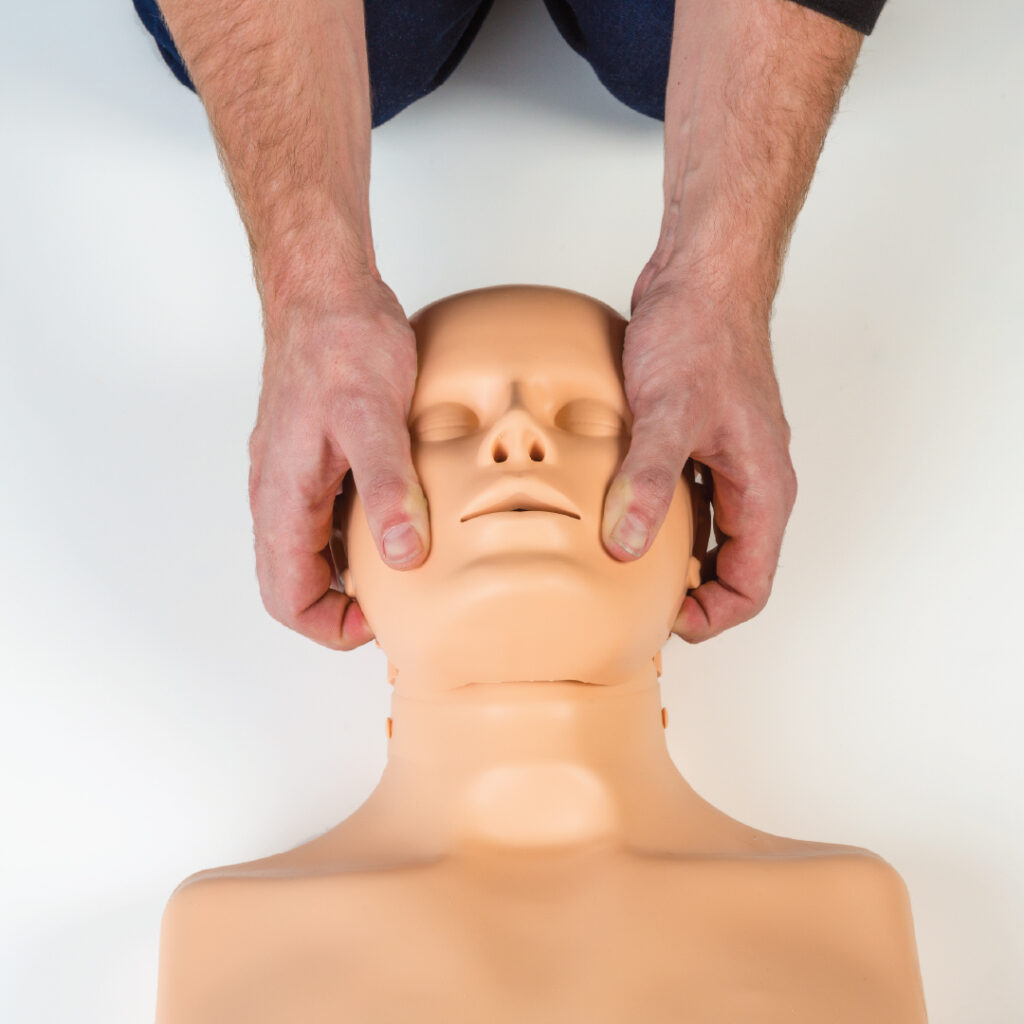
In newborn resuscitation, a two-person jaw-thrust is recommended when possible, as it’s more effective.
For instructors and learners, Practi-Man manikins are ideal for practising these updated airway techniques safely and realistically.
Oxygen use is clarified: trained responders should provide oxygen for serious breathing difficulties and titrate using a pulse oximeter when available.
The guidelines now recommend starting resuscitation education early, from ages 4–6 in schools.
Training should be interactive and modern, using gamification, simulations, and feedback devices.
Telephone-assisted CPR is highlighted. 999 call-handlers are expected to recognise cardiac arrest and guide callers effectively.
Structured assessment using ABCDE is emphasised for children to spot life-threatening issues early.
Paediatric CPR guidance now clarifies rescue breath ratios: in some trained settings, give five initial rescue breaths before chest compressions (15:2 ratio).
Special circumstances like drowning, trauma, or asthma are more deeply covered.
After return of spontaneous circulation (ROSC), the guidelines recommend a structured “AB-C” approach:
Keep systolic blood pressure above 100 mmHg (or MAP 60–65 mmHg) and avoid fever (≤ 37.5°C) for 36–72 hours in comatose patients.
Neurological recovery should be assessed 72 hours after ROSC using EEG, imaging, and biomarkers. Psychological support for survivors and families is also emphasised.
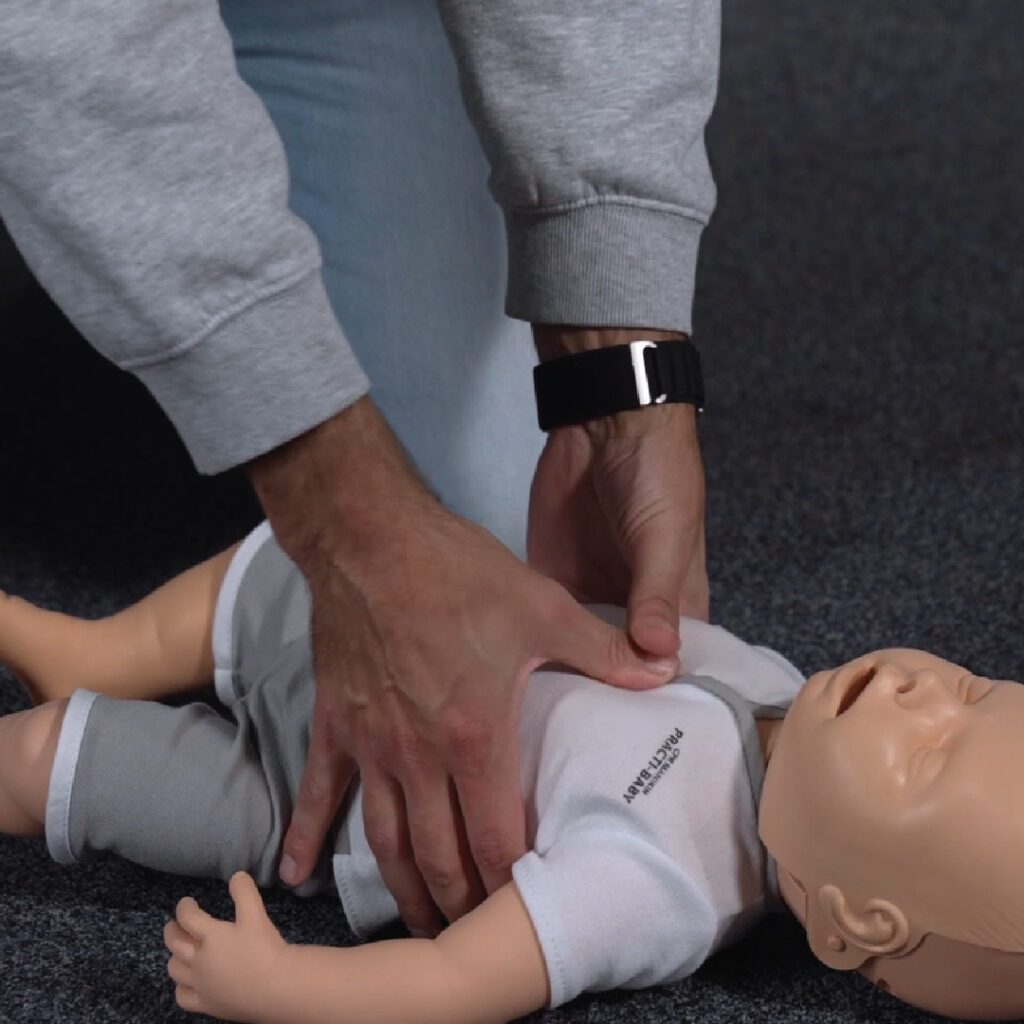
Practi-Man manikins allow instructors to practise these updated newborn airway techniques safely, in line with the 2025 guidelines.
The 2025 Guidelines emphasise:
Training providers are expected to update courses to reflect these changes by January 2026.
Our courses will be fully 2025-compliant early January, so all first aid, CPR, and trauma programmes follow current best practice.
Explore our updated courses today and be ready for the latest guidance.
The 2025 RCUK Guidelines are a major step forward for resuscitation and first aid in the UK. Clearer structures, evidence-based updates, and inclusive training guidance ensure first aiders are better prepared — and that can make all the difference.