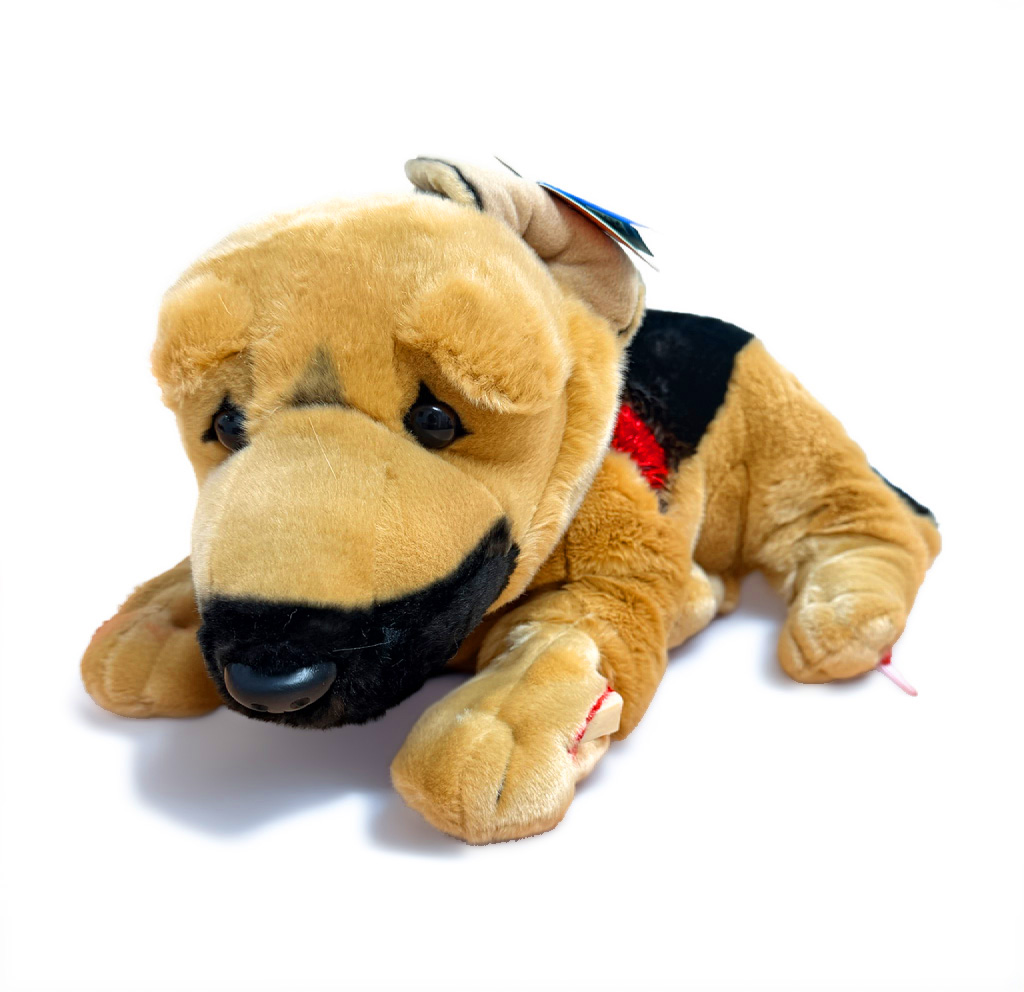
Casualty Simulation Dog - German Shepherd
;)
;)
Casualty Simulation Dog - German Shepherd
German Shepherd Simulation Model – Advanced Pet First Aid & Trauma Training
The German Shepherd Simulation Model is a realistic and practical training aid designed to enhance hands-on learning in pet first aid and emergency animal care. Because animal-related incidents can escalate quickly and place responders under pressure, this model allows learners to practise critical skills in a safe, controlled environment while still facing realistic injury scenarios. As a result, it is a valuable resource for pet first aid courses, veterinary training programmes, and animal emergency response education.
Developed for Realistic, Scenario-Led Training
This training model supports the practical development of essential first aid techniques, including bleeding control, wound treatment, splinting, and the correct use of haemostatic dressings. In addition, it enables learners to work through advanced trauma situations such as amputations and extensive soft tissue injuries. Consequently, participants build confidence and sharpen their decision-making abilities before encountering similar emergencies in real-life situations.
Rather than focusing purely on theoretical instruction, the German Shepherd simulation encourages active assessment and treatment. Learners must identify injuries, determine priorities, and apply appropriate care under realistic conditions, which helps reinforce learning and improve long-term skill retention.
Multiple Simulated Injuries for Comprehensive Practice
To ensure varied and effective training sessions, the German Shepherd Simulation Model includes a range of simulated injuries positioned across the body. These injuries allow instructors to adapt scenarios and present learners with diverse and challenging emergency situations.
Simulated injuries include:
-
Ear injury
-
Embedded glass in the rear paw
-
Injury to the right front paw
-
Large, deep wound to the side of the body
-
Open fracture to the left front leg
-
Amputated tail
Because these scenarios reflect common yet serious animal emergencies, they provide ideal opportunities to practise wound cleaning, bandaging, fracture stabilisation, and haemorrhage control techniques.
Versatile Across Training and Educational Settings
This simulation model performs well in a variety of professional and educational environments. It is particularly well suited to pet first aid training courses, veterinary and veterinary nursing education, animal welfare and rescue organisations, and emergency preparedness programmes. Additionally, its durable construction allows for repeated use, making it a cost-effective solution for long-term training needs.
Building Confidence for Real-World Emergencies
Overall, the German Shepherd Simulation Model delivers an engaging and effective way to practise essential pet first aid skills. By incorporating this model into training programmes, instructors help learners gain realistic hands-on experience, strengthen confidence, and improve readiness for real-world animal emergencies.


