TQUK Level 2 Award in Moving People Safely (RQF)
Classroom Training Course

This Course Includes:
- 20.0 hrs CPD Certificate
- Evidence Based Training Certificate
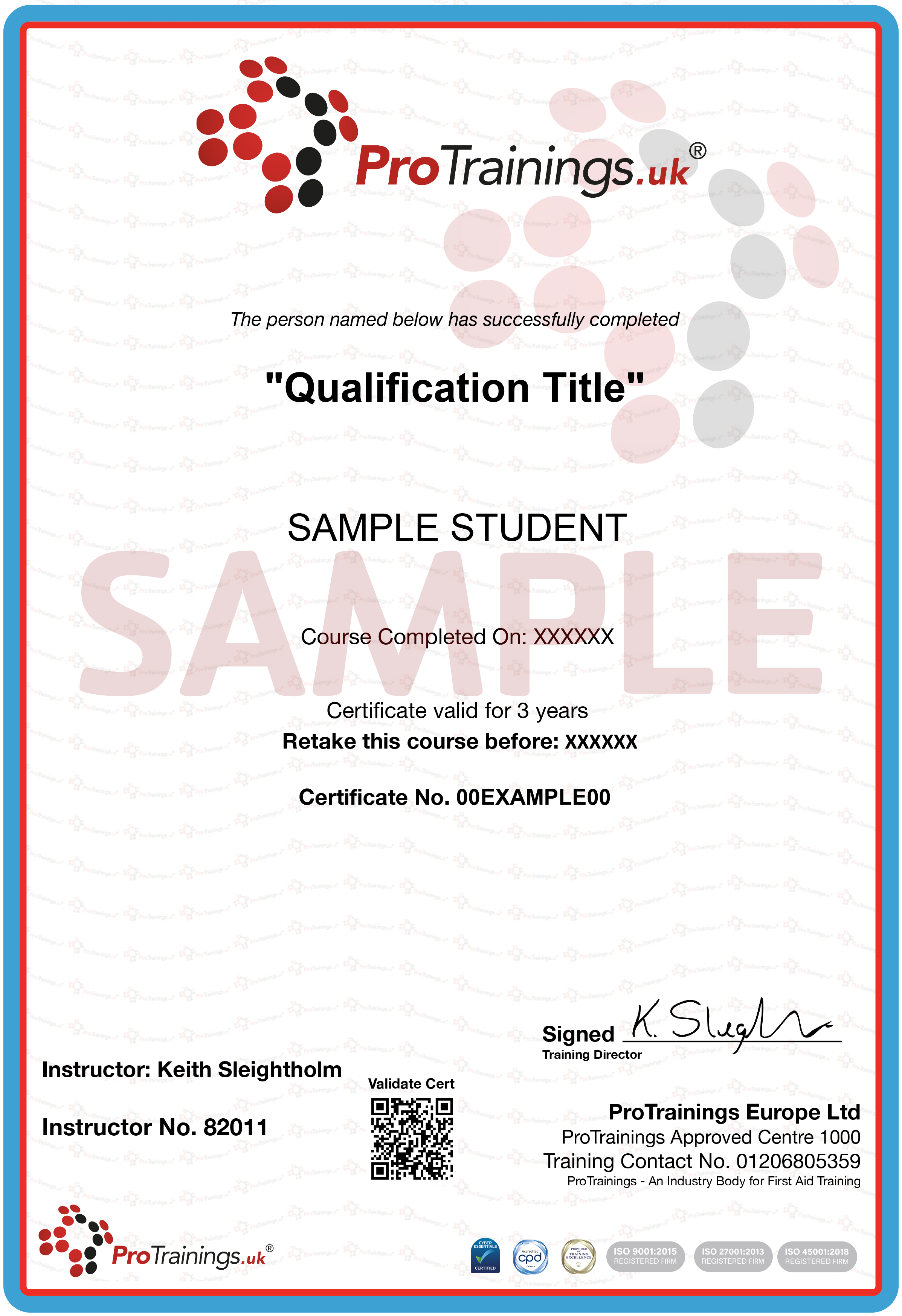
- Instant printable wall certificate
- Expiration reminder
- Student manual
- This course is valid for 1 year
This Course is Perfect For...
- Healthcare workers
- Care workers
- Doctors
- Nurses
- Paramedics
- Home Helpers
Course Curriculum
Unit One - Manual handling safety at work
|
Learning outcomes The learner will: |
Assessment criteria The learner can: |
||
|
1. |
Understand the reasons for safe manual handling |
1.1 |
Outline the potential injuries and ill health associated with incorrect manual handing |
|
1.2 |
Outline employers’ and employees’ duties relating to manual handling at work |
||
|
1.3 |
Outline the consequences for non-compliance with health and safety requirements at work |
||
|
2. |
Understand how manual handling risk assessments contribute to improving health and safety |
2.1 |
Explain the terms ‘hazard’ and ‘risk’ in the context of manual handling work |
|
2.2 |
Outline the process for carrying out a manual handling risk assessment |
||
|
2.3 |
Describe the principle of the risk control hierarchy when applied to manual handling |
||
|
Explain the terms ‘hazard’ and ‘risk’ in the context of manual handling work |
|||
|
3. |
Understand the principles, types of equipment and testing requirements associated with manual handling safety |
3.1 |
Describe safe movement principles associated with manual handling |
|
3.2 |
Outline the types of equipment designed to be used for manual handling tasks |
||
|
3.3 |
Outline the requirements for the testing, servicing and examination of manual handling and lifting equipment |
||
|
4. |
Be able to apply safe manual handling principles |
4.1 |
Demonstrate efficient and safe manual handling principles when; - applying effort to or moving a load or object manually on their own - when using manual handling aids and equipment - when undertaking a manual handling task as part of a team
|
Unit 2 - Moving people safely K/618/5576
|
Learning outcomes The learner will: |
Assessment criteria The learner can: |
||
|
1. |
Understand the personal safety, health and dignity issues relating to the movement of a person by others |
1.1 |
Outline the potential impact to a person who is moved incorrectly |
|
1.2 |
Outline the ways in which the dignity, health and safety of the person being moved can be preserved |
||
|
2. |
Understand how a personal handling plan and risk assessment reduce the risk of injury to everyone involved in moving a person |
2.1 |
Outline the process of risk assessment in relation to moving a person |
|
2.2 |
Outline the control measures that might be used to reduce the risks associated with moving people |
||
|
2.3 |
State the content of a personal handling plan |
||
|
2.4 |
List the states of functional mobility a person who needs to be moved might have |
||
|
3. |
Understand the principles, types of Equipment and testing requirements associated with moving people safely |
3.1 |
Describe safe movement principles associated with moving people |
|
3.2 |
Outline the types of handling or lifting equipment designed to be used for moving people |
||
|
3.3 |
Describe the requirements for the testing, servicing and examination of people handling or lifting equipment |
||
|
4. |
Be able to apply safe principles when moving a person |
4.1 |
Demonstrate efficient and safe movement principles when; applying effort to support or move a person manually on their own
when using movement aides and equipment when moving a person as part of a team
|
over 3 million certifications issued to date
Why ProTrainings?
Convenience
Train Anywhere, On Any Device
Master Quality
Expert Instructors for Every Subject
Speed
Same-Day Completion
Trusted
Compliant & Secure
More about this course
The TQUK Level 2 Award in Moving and People Safely (RQF) provides learners with the opportunity to develop skills, knowledge and understanding to enable them to apply safe manual handling principles. This qualification is intended for learners wanting to undertake training or to further develop their knowledge and/or skills in this subject area.
The objectives of the qualification include:
- Preparing learners to progress to a qualification in the same subject area but at a higher level or requiring more specific knowledge, skills and understanding
- Preparing learners to progress to a qualification in another subject area
- Giving learners personal growth and engagement in learning
Entry requirements There are no specific entry requirements however learners should have a minimum of Level 1 in literacy or numeracy or equivalent. Learners must be at least 16 years of age at certification.
The minimum age for this qualification is 16 years old.
This course gives learners the opportunity to gain a formally recognised regulated qualification. If you require funding, a regulated qualification is often required. Phone us and we can advise if needed. If you choose our course leading to a regulated qualification, there are additional assessment criteria to be undertaken with an instructor and a small extra certification charge.
| Regulated Qualification Details | |
|---|---|
| Course Title: | TQUK Level 2 Award in Moving People Safely (RQF) |
| QAN: | 601/1992/5 |
| Level: | 2 |
| Credit Value: | 2 |
| TQT: | 40 |
| The Register of Regulated Qualifications | |
Unit One - Manual handling safety at work
|
Learning outcomes The learner will: |
Assessment criteria The learner can: |
||
|
1. |
Understand the reasons for safe manual handling |
1.1 |
Outline the potential injuries and ill health associated with incorrect manual handing |
|
1.2 |
Outline employers’ and employees’ duties relating to manual handling at work |
||
|
1.3 |
Outline the consequences for non-compliance with health and safety requirements at work |
||
|
2. |
Understand how manual handling risk assessments contribute to improving health and safety |
2.1 |
Explain the terms ‘hazard’ and ‘risk’ in the context of manual handling work |
|
2.2 |
Outline the process for carrying out a manual handling risk assessment |
||
|
2.3 |
Describe the principle of the risk control hierarchy when applied to manual handling |
||
|
Explain the terms ‘hazard’ and ‘risk’ in the context of manual handling work |
|||
|
3. |
Understand the principles, types of equipment and testing requirements associated with manual handling safety |
3.1 |
Describe safe movement principles associated with manual handling |
|
3.2 |
Outline the types of equipment designed to be used for manual handling tasks |
||
|
3.3 |
Outline the requirements for the testing, servicing and examination of manual handling and lifting equipment |
||
|
4. |
Be able to apply safe manual handling principles |
4.1 |
Demonstrate efficient and safe manual handling principles when; - applying effort to or moving a load or object manually on their own - when using manual handling aids and equipment - when undertaking a manual handling task as part of a team
|
Unit 2 - Moving people safely K/618/5576
|
Learning outcomes The learner will: |
Assessment criteria The learner can: |
||
|
1. |
Understand the personal safety, health and dignity issues relating to the movement of a person by others |
1.1 |
Outline the potential impact to a person who is moved incorrectly |
|
1.2 |
Outline the ways in which the dignity, health and safety of the person being moved can be preserved |
||
|
2. |
Understand how a personal handling plan and risk assessment reduce the risk of injury to everyone involved in moving a person |
2.1 |
Outline the process of risk assessment in relation to moving a person |
|
2.2 |
Outline the control measures that might be used to reduce the risks associated with moving people |
||
|
2.3 |
State the content of a personal handling plan |
||
|
2.4 |
List the states of functional mobility a person who needs to be moved might have |
||
|
3. |
Understand the principles, types of Equipment and testing requirements associated with moving people safely |
3.1 |
Describe safe movement principles associated with moving people |
|
3.2 |
Outline the types of handling or lifting equipment designed to be used for moving people |
||
|
3.3 |
Describe the requirements for the testing, servicing and examination of people handling or lifting equipment |
||
|
4. |
Be able to apply safe principles when moving a person |
4.1 |
Demonstrate efficient and safe movement principles when; applying effort to support or move a person manually on their own
when using movement aides and equipment when moving a person as part of a team
|
This course comes with 20.0 hours of CPD, although the time to complete the course online may be less than this.
The content of this and all our courses has been independently certified as conforming to universally accepted Continuous Professional Development (CPD) guidelines and come with a Certified CPD Statement as well as a ProTrainings Certificate and for online courses an Evidence Based Learning statement.
- Student Manual (V8.1) - Moving and Positioning of People
- Adult CPR Flowchart handout/poster
- Catastrophic bleeding and trauma First Aid Guidance From ProTrainings.
- Coronavirus (COVID-19) - link to the NHS website
- Essentials of health and safety at work link to HSE website
- Find out what other courses are available as video online, blended and classroom courses nationally - our course finder
- Free student first aid program leaflet
- Getting to Grips with Manual Handling link to HSE website
- HSE 5 steps to Risk Assessing link to HSE website
- HSE First Aid at Work Regulations
- HSE Manual Handling Regulations Guide - link to HSE website
- HSE leaflet on Getting to grips with hoisting people and check list
- HSE leaflet on How the Lifting Operations and Lifting Equipment Regulations apply to health and social care
- Link to the HSE website
- Manual Handling Assessment Chart Guide to MAC - link to HSE website
- RIDDOR link to the HSE guide
- Sign up for free Student First Aid - use code SCH-376-61-571
- Visit the First Aid Show free for first aid and medical videos
- Workplace Emergency Contact Sheet
- Woundclot - haemostatic gauze for all types of bleeding
- Woundclot leaflet with price list - 2025
Frequently Asked Questions

What is CPD and why is having Certified CPD important?
CPD stands for Continuous Professional Development and is required in many business sectors. Even if you do not require a set CPD credit level, having Certifed CPD ensures the quality of training. ProTrainings are the highest gold standard of CPD ensuring that all courses are externally verified and mapped to the highest levels.
What is "SCORM ready" and will courses run on a LMS?
SCORM Ready means that online courses can run on any compatible Learning Management System (LMS). SCORM courses run seamlessly on your existing LMS system without a separate login so staff only login using the existing company system. ProTrainings online courses have an advanced SCORM ready system to give more features than any other company.
Do I receive a certificate after completing your online training?
Yes, when you complete the online course you will be able to download and print a compliant completion certificate, evidenced-based learning statement to confirm course content and a certified CPD statement. There is no extra charge for the certificate. You can also buy a printed certificate to be posted to you for a small extra fee.
What training courses do you offer and how are they delivered?
We offer a full range of training courses across all business sectors as video online, blended and nationwide at your business or our local training centres. With over 350 courses you can learn at a time and place that meets your busy schedules and save money on travel and costs away from the office.
Group Trainings for your Organisation