This site is powered by the ProTrainings platform. All content is © 2025, ProTrainings Europe Ltd. All rights reserved.


Pro Trainings is rated 4.6 out of 5 based on 70450 ratings.
This site is powered by the ProTrainings platform. All content is © 2025, ProTrainings Europe Ltd. All rights reserved.
Pro Trainings is rated 4.6 out of 5 based on 70450 ratings.

Are you passionate about pets and their well-being? Have you ever thought of turning that passion into a fulfilling career by teaching pet first aid? Whether you’re a pet lover, a veterinary professional, or someone looking to expand your teaching…

The Benefits of Blended Training and How ProTrainings Can Help In today’s fast-paced world, finding time for professional development can be challenging. Many people struggle to balance work, personal commitments, and training requirements, which is why blended training has become…
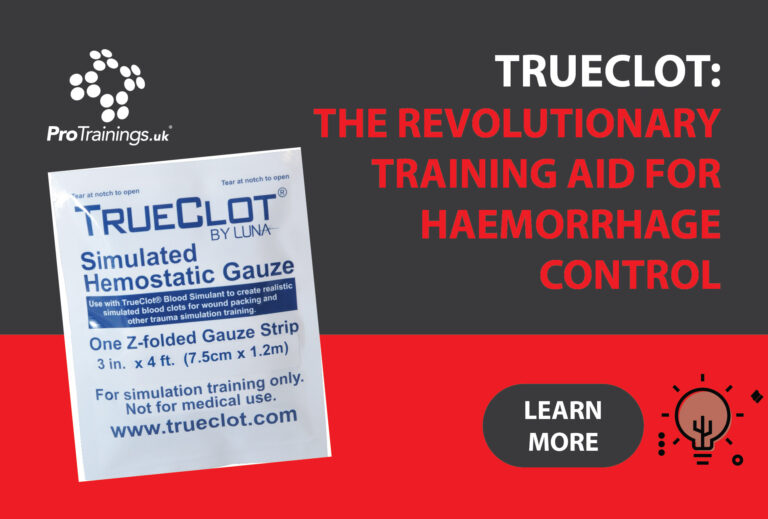
In the field of emergency first aid, effective haemorrhage control can mean the difference between life and death. For those involved in medical training, realistic and effective simulation tools are essential to ensure that responders are fully prepared for real-world…
In emergency situations, the first moments are critical. Whether it’s a medical emergency, accident, or disaster, the immediate response can make all the difference. This is where first responder training comes in—a structured programme designed to equip individuals with the…
A life-threatening injury is any injury that poses an immediate risk to a person’s life. These injuries require urgent medical attention, as delays in treatment can result in serious complications or even death. Understanding what constitutes a life-threatening injury and…
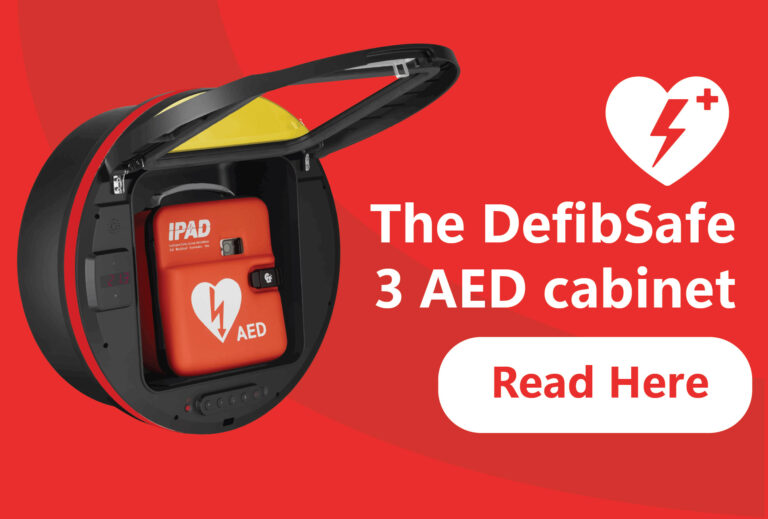
The DefibSafe 3 AED cabinet is a robust and reliable solution designed to securely house Automated External Defibrillators (AEDs) in various environments, ensuring they remain accessible and functional during emergencies. Key Features: Superior Protection: With an industry-leading IP66 rating, the…
Head injuries can range from minor bumps and bruises to serious brain injuries that require immediate medical attention. Any trauma to the head, whether caused by a fall, a blow, or an accident, should be treated with caution. Understanding how…
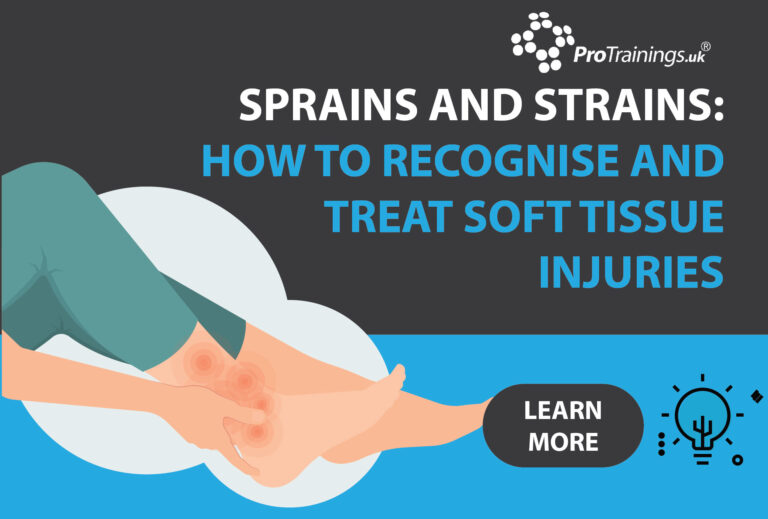
Sprains and strains are common injuries that affect the ligaments, muscles, and tendons, usually caused by overstretching or twisting. Although they are not as severe as fractures, sprains and strains can be painful and limit movement. Providing prompt first aid…
Recognising and Treating Bone Injuries Fractures, commonly known as broken bones, occur when a bone is cracked or broken due to trauma, such as a fall, direct blow, or accident. While some fractures are minor and heal with time, others…
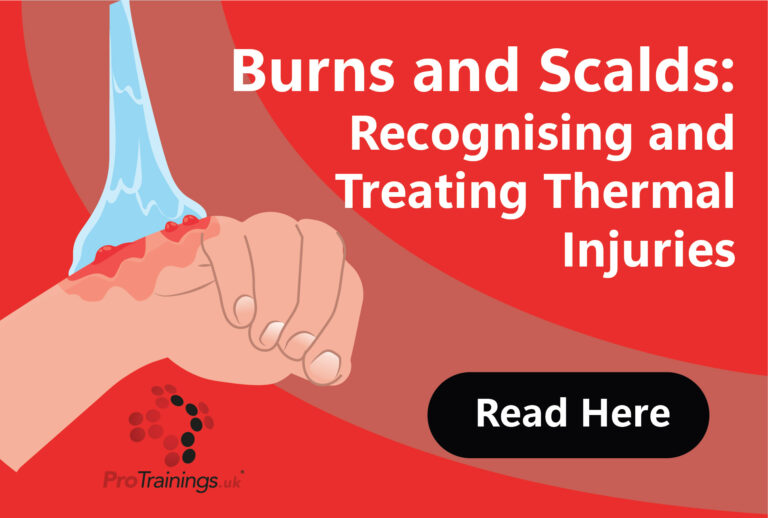
Burns and scalds are common injuries caused by heat, such as contact with flames, hot liquids, or steam. The severity of burns can range from minor to life-threatening, depending on the depth and size of the injury. Knowing how to…