This site is powered by the ProTrainings platform. All content is © 2025, ProTrainings Europe Ltd. All rights reserved.


Pro Trainings is rated 4.6 out of 5 based on 70450 ratings.
This site is powered by the ProTrainings platform. All content is © 2025, ProTrainings Europe Ltd. All rights reserved.
Pro Trainings is rated 4.6 out of 5 based on 70450 ratings.

Mental health is just as important as physical health, and UK businesses are increasingly recognising the need to provide mental health support to employees. Mental Health First Aid (MHFA) training equips staff with the knowledge and confidence to support colleagues…

Workplace safety is a legal requirement in the UK, and ensuring employees have the right first aid training is crucial for compliance. With the rise of digital learning, many businesses are turning to online first aid training as a convenient…
Ensuring workplace safety and compliance with UK regulations is vital for professionals across various industries. Whether you are an employer, manager, or employee, understanding health and safety protocols can prevent accidents, legal issues, and financial penalties. In this guide, we…
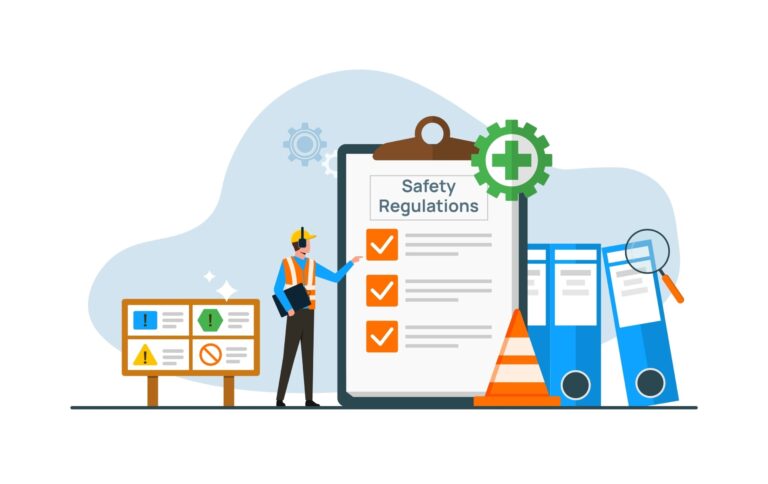
Want to reduce workplace accidents by 64% and boost profits by 21%? Engaging your staff in safety training is the key. Disengaged employees are more prone to accidents, costing businesses billions globally. Here’s how to make safety training effective and…

Understanding CPD Continuing Professional Development (CPD) continuously improves and expands one’s skills, knowledge, and experience throughout one’s career. It is essential across various industries to ensure that professionals stay updated on new developments, regulations, and best practices. Many professions require…
Earn Commission with ProTrainings ProTrainings offers over 300 video online courses that you can share on your website or business to earn commission on every sale. It’s free to set up, with no ongoing costs, and we provide full support…

Introducing Our New Body-Worn CCTV Courses We’re excited to launch our latest Body-Worn CCTV courses, designed to give professionals the essential knowledge and skills to use body-worn cameras effectively. These courses cater to various industries, ensuring participants understand both the…

We are excited to announce that ProTrainings will be exhibiting at The Health and Safety Event at the NEC Birmingham from the 8th to the 10th of April! You can find us at stand 3/T80, where we will be showcasing…

WoundClot™: Next-Level Bleeding Control When every second counts in a medical emergency, having the right haemostatic product can be life-saving. ProTrainings Europe Ltd is proud to supply WoundClot™, an advanced haemostatic gauze designed to effectively manage severe bleeding and complex…
Workplace accidents happen every 7 seconds in the UK, costing billions annually. Proper first aid training can reduce injuries by 25% and even save lives. Here’s a quick overview of the 7 essential first aid skills every workplace needs: Assessing…